
How Community Platforms Are Shaping the Future of Competitive Gaming
Online gaming has long stopped being just entertainment. In recent years, player communities have become an essential part of esports, changing the way people think about training, social interaction and the development of digital economies. Modern platforms have a visible impact on how players build careers, exchange experience and even monetize their skills.
Monetization and the In-game Economy
The dynamic development of in-game economies has become one of the key trends of recent years. Modern gaming communities not only discuss matches, but also take part in economic activity through donations, paid subscriptions, exclusive boosts or collectible skins. Most major services integrate systems for exchanging digital items, where users can make direct deals or visit a specialized cs2 skin website to expand their inventory.
Monetization models are becoming more complex. Events are appearing where access is available only through a subscription or special tokens, while user-generated content often brings income to its creators. New advertising opportunities are opening up for brands, from banners to logo integration in esports arenas or online broadcasts. In some cases, the market value of popular digital items is comparable to traditional collecting: individual items are sold for thousands of US dollars. 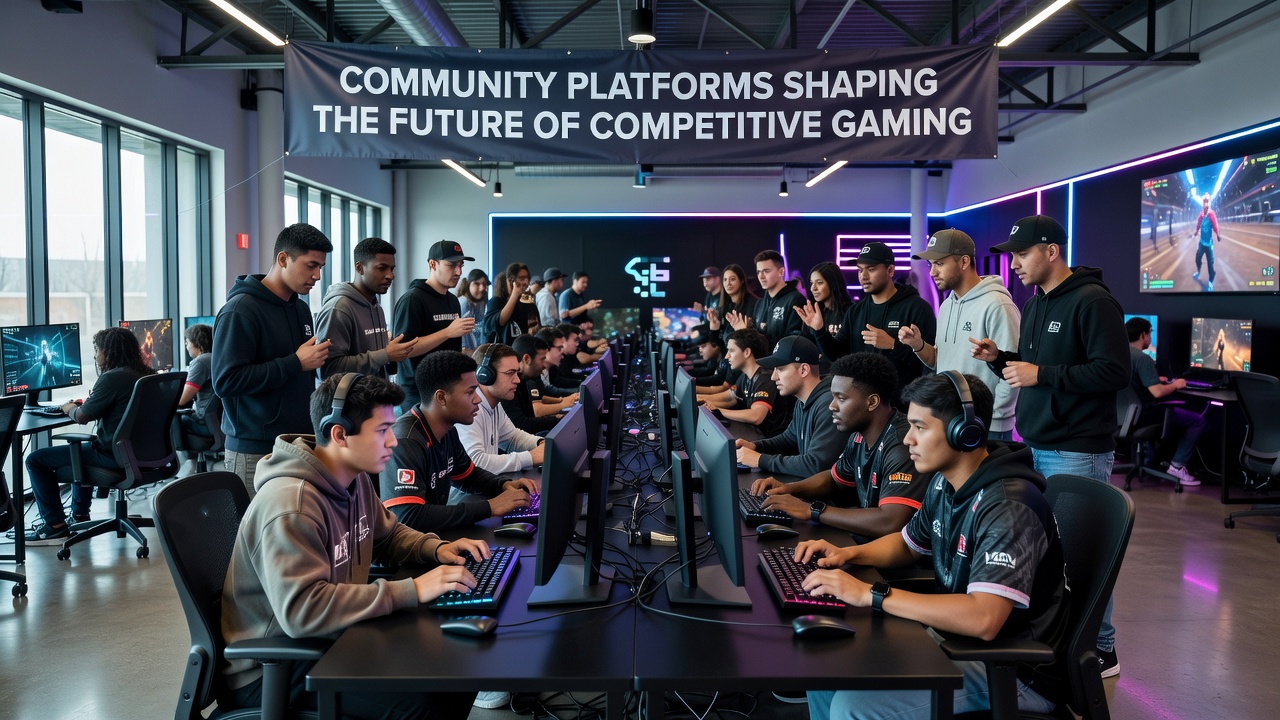
The Evolution of Competitive Gaming Communities
Twenty years ago, most gaming discussions took place on niche forums, IRC chats and during local LAN parties. At that time, communication was limited by geography and internet speed. The real breakthrough came with the mass spread of broadband internet and the emergence of services such as Discord, Steam Community and Twitch, which allowed players to interact in real time regardless of distance. By 2026, the number of active participants in major gaming communities exceeded 400 million people worldwide, while major events and championships attracted international audiences of up to 5 million viewers at the same time.
Technological innovations such as high-quality streaming, voice chats and cloud-based achievement storage have created new types of connections. Training, matchmaking and knowledge sharing are now available around the clock. Players form teams, take part in tournaments and move toward leadership regardless of location, which has significantly raised the level of competition and accelerated the development of the industry.
Key Features of Modern Community Platforms
Modern services for esports players differ greatly from the early versions of such websites. Today, they offer complete solutions for communication and growth. The most in-demand features include group and private chats, voice conferences, integration with gaming accounts, tournament creation and management, transparent ranking systems and analytics. Many platforms also add educational sections with video lessons from professional players, access to personal analytics, and checklists for teamwork and coordination.
Internal economic mechanisms include the exchange of digital collectibles, donation systems and profile customization through skins. Security comes first: platforms actively introduce two-factor authentication, develop fraud protection tools and configure filtering for unwanted content. A convenient interface and personalized recommendations help newcomers join the community more easily, while experienced players can express themselves through content creation or participation in unique events.
The Social Impact: Building Global Connections
In just a few years, esports communities have turned into global centers of communication and support. Around 62% of esports players said that online services help them find friends and like-minded people around the world. Gaming communities create space for inclusion: players of different genders, ages and nationalities freely exchange experience and inspire one another.
The influence of these services goes beyond entertainment. Many participants note their positive contribution to the development of teamwork, leadership skills and stress resistance. Support for beginners and mentoring systems motivate players to grow, while the flexible structure of chats and channels lowers the entry barrier for introverts or people with special needs.
Future Trends: The Next Level of Community Engagement
The future of esports platforms promises new participation scenarios. AR and VR solutions are being actively introduced for virtual tournaments and immersive events. The number of such events grew by 40%. The development of artificial intelligence for automated moderation, analytics and personalized news feed adaptation reduces the workload for administrators and increases user engagement.
Further growth is expected in the number of platforms with flexible rating systems, integrated analytics, social mini-games and internal monetization opportunities. For publishers and major esports organizations, this opens up new audiences and new channels for developing virtual ecosystems. For players, it creates new ways to earn, participate and create regardless of geography.
