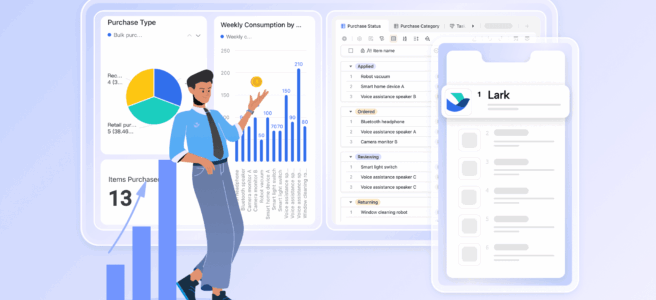
Managing financial processes efficiently is more important than ever. Manual workflows for purchase orders and invoices can be time-consuming, error-prone, and stressful for finance teams. This is where purchase order approval and invoice verification software come into play. These tools automate critical financial tasks, reduce human errors, and ensure faster approvals, helping companies maintain smooth operations. By integrating these two solutions, businesses can create a seamless workflow that saves time, improves accuracy, and boosts overall productivity.
Understanding Purchase Order Approval
A purchase order (PO) is a formal document sent by a buyer to a supplier, specifying the products or services required, quantities, and agreed prices. Traditionally, the approval process involved multiple layers of review—emails, paper documents, or spreadsheets. This manual approach often led to delays, misplaced documents, and increased chances of mistakes.
With modern purchase order approval systems, organizations can automate the entire process. The software routes POs to the relevant stakeholders for approval, sets reminders, and maintains a digital record. This automation ensures that purchase orders are processed quickly, and nothing gets lost or overlooked. Teams can track the status of each PO in real time, making it easier to manage procurement and maintain control over spending.
The Role of Invoice Verification Software
Once a purchase order is approved and goods or services are delivered, invoices must be verified before payment. Invoice verification is crucial to prevent overpayment, duplicate payment, or payment for goods not received. Traditionally, verifying invoices required finance teams to manually cross-check invoices against purchase orders, delivery receipts, and contracts. This method is slow and prone to errors.
By using invoice verification software, businesses can automate this process. The software automatically matches invoices with the corresponding purchase orders, flags discrepancies, and even routes exceptions for approval. Automation reduces human errors, ensures compliance, and allows finance teams to focus on strategic tasks rather than repetitive manual work.
Benefits of Integrating Purchase Order Approval and Invoice Verification
When businesses integrate purchase order approval with invoice verification software, they create a seamless finance workflow. Here are some key benefits:
Faster Processing: Automation reduces the time spent on approvals and verification. POs and invoices are processed in hours instead of days.
Improved Accuracy: Automated matching of invoices to POs minimizes errors like duplicate payments or wrong amounts.
Better Visibility: Finance managers can track the status of every PO and invoice in real-time, making reporting and audits easier.
Cost Savings: By reducing errors and processing delays, businesses save money and avoid unnecessary expenditure.
Compliance and Audit Trail: Digital records ensure compliance with company policies and regulatory requirements, providing a clear audit trail for each transaction.
How to Implement an Integrated Workflow
Implementing an integrated workflow for purchase order approval and invoice verification does not have to be complicated. Here’s a simple approach:
Evaluate Your Current Process: Identify bottlenecks, delays, and error-prone areas in your existing finance workflow.
Choose the Right Software: Select tools that offer automation, real-time tracking, and seamless integration. Tools like Cflow offer both purchase order approval and invoice verification capabilities.
Define Workflow Rules: Set clear approval hierarchies, thresholds, and exception handling rules to ensure smooth processing.
Train Your Team: Educate your staff on how to use the software efficiently and encourage adoption.
Monitor and Improve: Regularly review workflow metrics and adjust processes to improve efficiency and accuracy.
Real-Life Applications
Many businesses, from small enterprises to large corporations, are already benefiting from integrating purchase order approval and invoice verification. For example:
E-commerce companies can process hundreds of orders daily without delays.
Manufacturing units can ensure timely payment to suppliers while keeping production uninterrupted.
Service-based companies can track project-related purchases and invoices accurately, avoiding budget overruns.
By leveraging these automated solutions, finance teams gain more time to analyze spending trends, optimize budgets, and support strategic decision-making.
Conclusion
Integrating purchase order approval with invoice verification software is a game-changer for modern finance teams. Automation streamlines workflows, reduces errors, accelerates processing, and improves visibility, ultimately boosting business efficiency. Companies that adopt these technologies not only save time and money but also empower their teams to focus on higher-value tasks.
In a world where speed and accuracy are critical, implementing a seamless finance workflow ensures your organization stays ahead of the competition while maintaining complete control over financial operations. Embrace automation today and transformyour finance processes from cumbersome to effortless.

 Firepower: